Squealing, grinding, vibration and a soft pedal are your brakes asking for help. Learn what each symptom means — and how quickly to act.
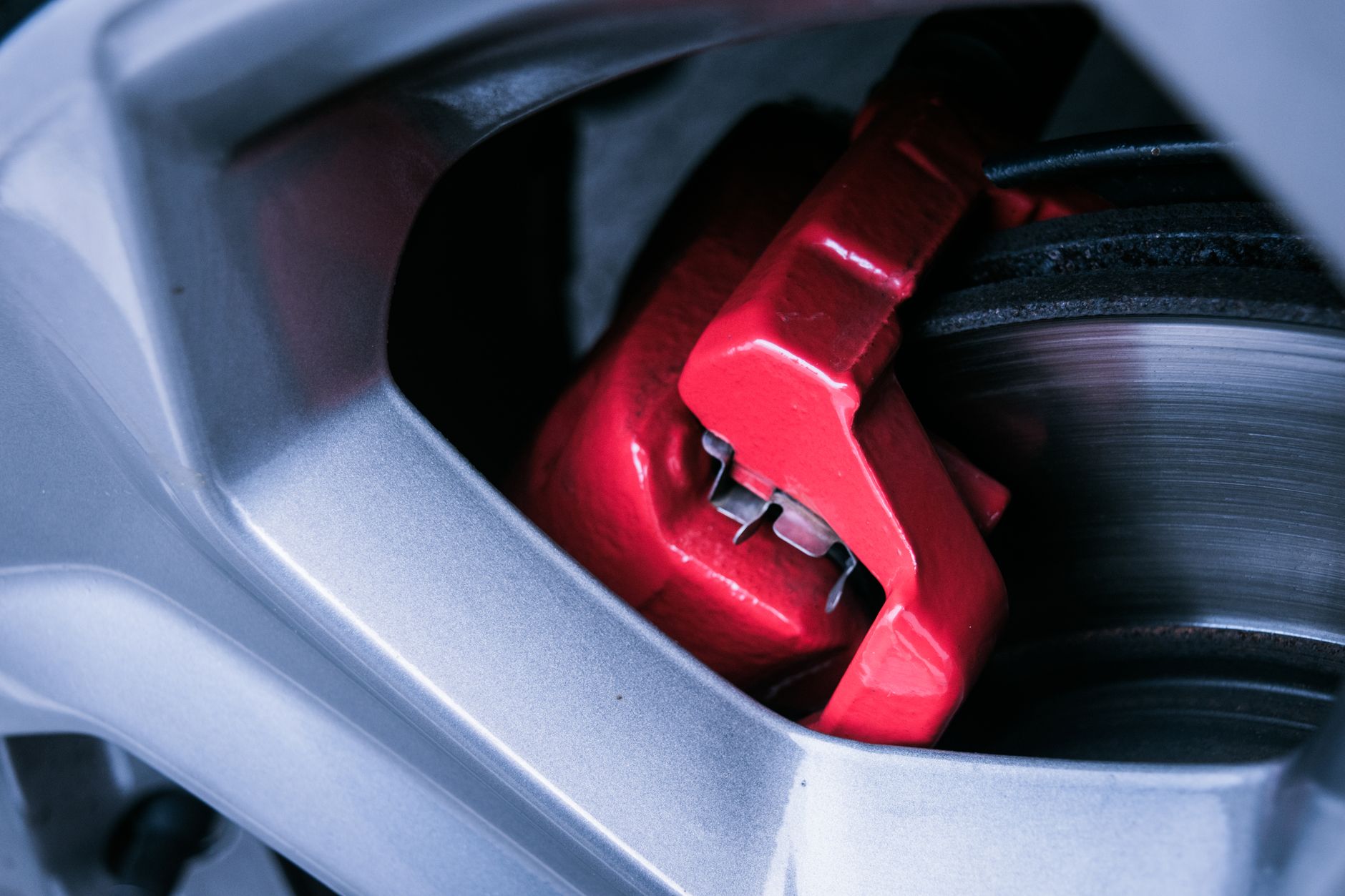
A high-pitched squeal when braking is usually the wear indicator — a small metal tab designed to make noise when pads run thin. You have weeks, not months. Book an inspection, but don't panic.
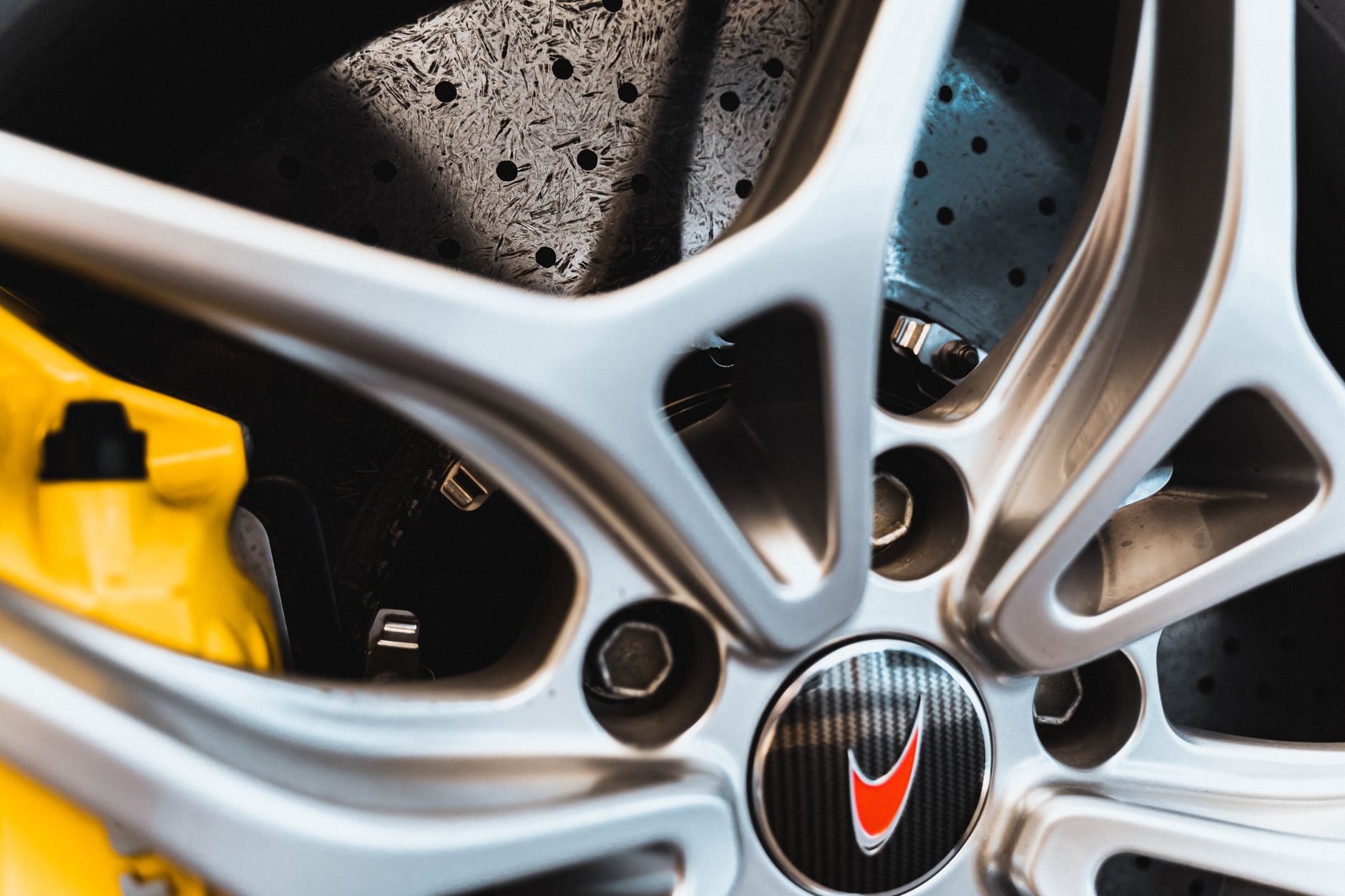
Grinding is different: metal on metal, and every stop damages the rotor further. A steering-wheel shudder under braking usually means rotor thickness variation, while a pulsing pedal can be ABS or rotor related. Both deserve prompt attention.
Feel and Lights
A soft, long-travel or sinking pedal suggests air or moisture in the fluid, a leak, or a master-cylinder issue — get this checked immediately. A brake warning light, burning smell after driving, or the car pulling to one side under braking all mean the same: come in now.
The good news: most brake work is straightforward and our 20-minute inspection is free, with measured readings you can see. Catching pads early often saves the rotors — and halves the bill.
Between visits, listen on a quiet road with the radio off once a month, and glance at your fluid reservoir when you check oil. Brakes reward attention and punish neglect — there's no middle ground.